Lighting helps to convey mood and atmosphere in a movie scene . It can be used to guide the audiences attention to a particular object, person, emotion or gesture. A high key and bright lighting usually indicates cheerfulness and happiness in a character, however, low key and gloomy lighting usually suggests a sinister characteristic and sets a dark and an uneasy setting.
Lighting Angles:
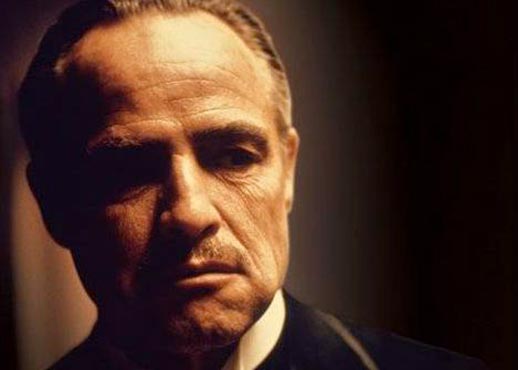
-Top Lighting highlights features and makes you look more glamorous, this is often used to glamorise models in photoshoots.
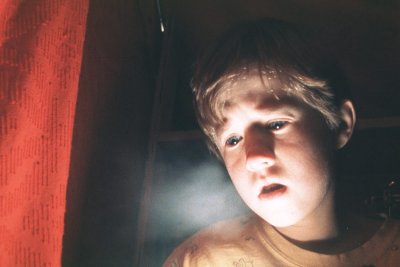
-Under lighting is under and makes you look scary and intimidating, this is usually used in thriller and horror movies, and is used for the antagonist; as again it makes them look horrifying.
The surrounding of the character is dark which creates fear and mystery, however here is enough under lighting to show his face which helps the audience see the characters facial expression.
-Back Lighting creates a silhouette usually to create fear or disgust, this is also often used to portray antagonists as it triggers hatred towards the character.
Lighting types:
The Sixth sense:

Ex Machina

- High key lighting appears more natural and realistic to our eyes. The lighting effect is heightened.
High key lighting is commonly used in action thrillers and sci-fi thrillers.
Use of colour:
As well as the use of lighting, the use of colour is also very significant for thriller movies, as each colour indicates a personality trait to the audience. It also signifies the characters position in the movie, i.e. a damsel in distress is obligated to wear light colours, mainly white.
Commonly used colours in movies:

Red: Usually indicates anger, passion, rage, desire, excitement, energy, speed, strength, power, heat, love, aggression, danger, fire, blood, war, violence.
In this image taken from 'Head in the clouds' We see that red suggests love and passion as it is worn very neatly by the character. However in thriller movies, red may not always indicate passion and may in fact indicate aggression and blood.

White: shows protection, love, reverence, purity, simplicity, cleanliness, peace, humility, precision, innocence, youth, birth, winter, snow, good, sterility.
This character from 'Prom night' is a classic example of a damsel in distress. This is because the use of colour in her dress. Her dress is white which shows purity and innocence, however isn't clean white which indicates to the audience that the character isn't as good as seems. Moreover damsels are often blond as they seem more powerless and inferior towards the antagonist.
Black: Sinister, power, sexuality, sophistication, formality, elegance, wealth, mystery, fear, anonymity, unhappiness, depth, style, evil, sadness, remorse, anger. Although the colour suggests elegance, in thrillers, it usually suggests mystery, evil, sinister, hatred, and all negative thoughts.
As shown in the image taken from 'Harry Potter', Voldemort is wearing all black which connotes his sinister personality which causes fear for the audience. This is because his facial expression contributes with his costume which shows the audience, the character has no good intentions in him and is all negative.
Filters:
The Ring

A blue filter is used in the above image. The colour blue in thrillers connotes danger and mystery. This gives the audience chills as it is only used in certain scenes. It also highlights the sinister theme in the scene.
Memento

The colour yellow often connotes confusion and uncertainty. The yellow filter matches the image as his facial expression compliments his confusion and bewilderment.

There is minimal understanding of lighting and colour demonstrated with minimal links made to the thriller genre.
ReplyDelete- Your introduction needs to be more detailed and needs to explain why lighting and colour are important conventions.
- For each lighting angle example and lighting types, link to a thriller example.
- Discuss which lighting types are conventional in thrillers, with specific thriller example links, and how these techniques make the audience feel.
- Discuss why colour is important and how it can be used to create specific impressions. Link these to specific thriller examples.
- Include an opening thriller scene analysis, focusing on lighting and colour and how it helps to create specific moods or impressions of a character.
- Include a conclusion detailing why this lesson was important and what types of colour and lighting you will be using in your own thriller opening.
Miss I've made changes to my post
ReplyDeleteYou have made some of the changes, now demonstrating a basic level of understanding. Further changes to be made:
ReplyDelete- Every lighting example must be linked to a thriller example, and the impact on the audience.
- When discussing colour, you need to focus on colour filters which are used, not costume colour.
- Include a thriller opening scene analysis, focussed on lighting and colour.
- Include your conclusion.
This is now a proficient post, with some basic analysis still evident at times.
ReplyDelete