Friday, 23 October 2015

Research: Narrative themes and plots - Miss Begum


In this lesson, the focus was to see what themes are popular amongst thriller films and how I could use them for my own idea.


A theme is a central topic situated around a text or narrative. It acquaints the audience on what the film is based on and gets them prepared to watch the movie as it gives them an idea narrative. A film can be inaugurated by more than one theme, i.e. racism and violence are two themes that go well together as one almost leads up to another. More or less, themes are the idea the film producers are trying to put across by presenting it in the narrative. Audience can usually establish one or more themes fro only the opening scene, or even the opening credits as they all give away clues on the films themes and narratives.


Themes are dependent on genres as the audience should be able to foresee what they are watching therefor the theme depends on the genre to create a clear narrative  as without genre it is impossible to make themes.


Different sub-genres obtain different themes:

Romance: Love, Family, Relationships

Action: Violence, Hate, Weapons, Revenge

Crime: Weapons, Drugs, Gangs, Money
Comedy: family, relationships, identity crisis


Examples of thriller themes:

                                                              Prisoners (2013)
Themes: 

-Family
-Mystery
-Violence
- Friendship
-Kidnap


                                                       Cabin In The Woods (2011)


Themes:

-Violence
-Death
-gore
- Murder
-Mystery
-Freinds
                                                 

                                                                    Hostel (2009)


Themes:

-Torture
-psychological
-violence
- Game
-Money

Themes:

-Torture/violence
-psychological
-revenge
-friendship
-murder


Conclusion:

I can use this information on my own thriller idea as I now know that there is a certain expectation from the audience considering themes according to what sub-genre I do, and I think I will do a psychological one. I know that when I make my thriller, I will consider mystery, violence and revenge as these are themes that are common from what I have seen. I want my themes to create emotion from my audience and I think the choices above will do so.

Research: Narrative Theory - Miss Begum


This lesson was to help us understand theory and apply them to thriller films. From this I was able to include these ideas into my opening.


The audience is able to construct meaning from text using these four elements:

Characters: Antagonist, Protagonist, Damsel in distress etc. 

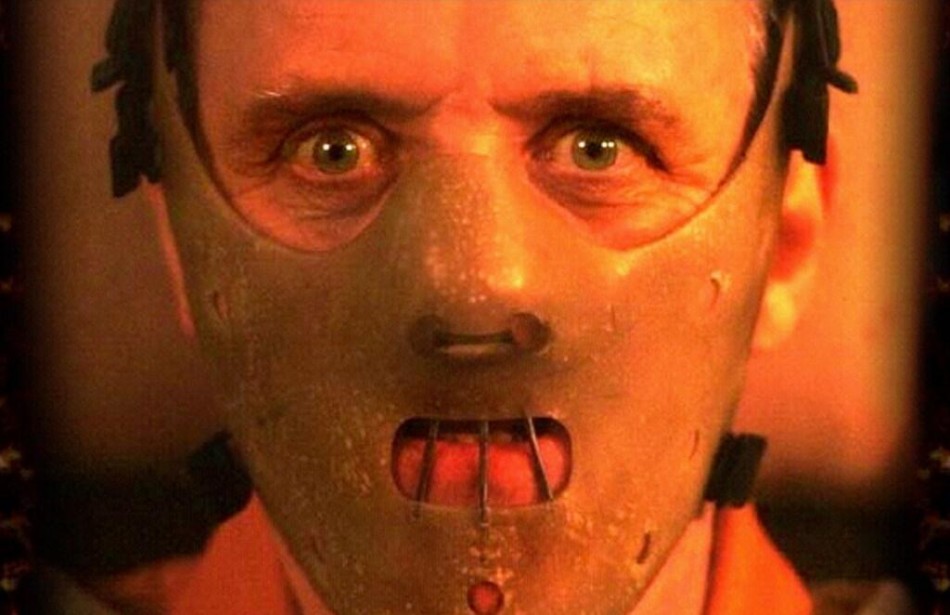
                                                    Silence Of The Lambs

Characters can create meaning as the audience can assume the role of the character by appearance by observing the mise en scene elements used, mainly including costume; hair and makeup. This then helps them presume the plot of the story. The image above is of Hannibal Lecter, he is a well known character in the thriller world. Nonetheless, if he wasn't  well known character, viewers are able to connotate that he is an antagonist and is dangerous due to the use of iconography (mask) on his face, this also helps the audience realize that he causes danger because of his mouth as the mask is cut out specifically to trap his mouth and teeth.


Connotations and Denotations: Connotation is what the audience infers from the text and denotations are what it actually is. This helps construct meaning in text as it presents to the audience the story board and gets them thinking and searching for connotations to understand the narrative better.
                           
                                                         The Conjuring
The connotation of this image taken from the movie The Conjuring is that she has spotted something and is shining a light at it in fear to take a better look. Nevertheless her facial expression gives away her anxiety and shows the audience how much she is actually scared. However the denotation for this image is that she is holding a match because it is dark.


Genre: Building assumptions based on common representations, i.e. Thriller movies usually include intimidating non-diegetic sound which helps the audience infer the genre of the movie.  ANother example is that a genre like comedy or romance allows the audience to think about meanings.


Structure: The structure is how the movie is displayed or put together to make sense, i.e. every movie has a start, middle and end. This helps the narrative as it doesn't confuse the audience and the audience is able to look back and refer to bits of the film that explains the rest of it.


There are 4 main theorists:


1. Propp:

Propp was mainly interested in narrative folk tales. He believed that folk tales were about the same basic struggles, therefor had the same characters. Characters have a narrative structure for the text.

Propp has identified:
-  The Hero - protagonist in a thriller

-  The Villain - the antagonist in a thriller
-  The Donor - the ghost or supernatural type character
-  The Dispatcher - the ghost or supernatural type character
-  The Helper - can be in thriller/crime or thriller/action sub-genre where someone helps
-  The Princess - the victim or love interest in thrillers
-  The Anti-hero - someone like Blade who will have no choice but to kill
-  The Father - usually an older character to create mystery


All these characters he argued, have their own motives and are likely to cause events and take sides as conflict is central in these stories. Propps theory has been applied to films, nut can sometimes be difficult to apply. However it often applies well to crime thrillers.


2.Todorov

Todorov saw narratives structured around a basic structure,                                                  

Equilibrium à Disequilibrium à New Equilibrium

Equilibrium means balance which is how characters are presented and appear at the beginning of a film.

Disequilibrium is the disruption caused (main event) and causes everything to be unbalanced which needs to be resolved

New Equilibrium is when everything is eventually sorted out, balanced and back to normal


Thriller example: Seven
Equilibrium: when people are starting to be killed randomly
Dis-equilibrium: the detectives are after the killer and he starts to become known to everyone and his killings get more and more brutal
New-Equilibrium: the last sin/murder to be committed involves the protagonist. He has a big choice to be made.


3.Barthes

Barthes said narrative can be defined by using the following things

Symbolic- Connotations = red means love, danger or passion

Semic- Denotations = just the colour red

Cultural understanding- Events being recognized as being part of our culture, like with Halloween, there are cultural understandings of fear and murder on that night.


4. Aristotle:
He discusses how to get a good response from the audience, this needs to be done by creating the right emotion from them. Evoking emotions from the audience causes maximum impact. Typical emotions caused in thriller films are fear, nervousness and uncertainty.


Overall, from this theory research I want to include ideas of all theorists. I want to include conventional characters that the audience will understand, and I also want a clear start, middle and end. I want my choice of iconography to provide certain meanings for people and also include elements of cultural understanding so my audience will have expectations and assumptions. Finally, I definitely want to cause emotion from my audience so I will aim to include fear and anxiety to have the maximum effect from viewers.


Thursday, 22 October 2015

Research: Opening credits - Mrs. Quinlan


Opening credits are written information presented to the audience on who produced the film, who is staring in it and other production roles. The opening credits are effective in thrillers when accompanied by sound to create tension and fear. This can be very effective when the images don't make sense. Opening credits are usually tailgated by music which gives the audience a foundation of the movie.

There is a certain order the production team are displayed on the movie due to importance in their jobs:

- Studio Name
- Production Company
- Producer Name
- Directors
- Actors/Actresses
- Film Title
- Editing
-Music By


These are all important information as some audiences watch certain films because of the production company or the director.For example movies produced by production companies with big names such a summit entertainment and Lions gate are bound to be good as they have a reputation and are big A-list companies that invest in films they know will be big movies.


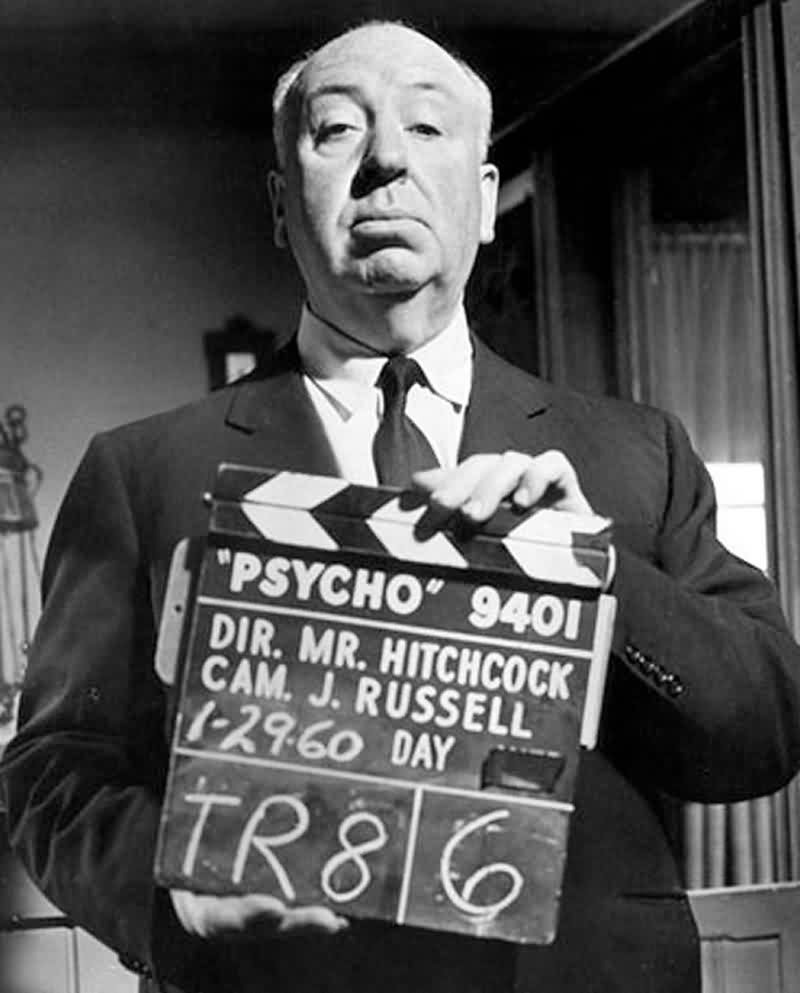
Certain directors are known for movies with certain genres their good at making so the directors names are very important in the opening credits. As there are fan bases for A list actors, there are also some for directors such as Hitchcock. When Hitchcock is mentioned, The audience knows the film is going to be a thriller as he is well known for the thriller movies he makes.


Following on, the actors that play in the film are one of the most important aspects of the opening credits as actors have their own fan base without the film so they're loyal fans are bound to watch movies with them in it. Also actors are an efficient way to promote the movie as the more known and liable A list actors you have the more audiences the movie will attract.


Blade

The opening credits in Blade 2 are really effective as it gives a good foundation of the film to the audience both using diegetic and non-diegetic sound. The opening credits give the audience an over view of the narrative of the story. In terms of the writing, the first thing we see is the name of 'New Line Cinema', then it introduces some of the support companies like 'Imaginary' who they were in association with. What is different about this is that they don't show any names of the people who starred in it and it ends with the name of the film.


Moreover the opening credits of Sweeney Todd also give the audience an insight into the film as before the opening credits even begin we see a design drawn with blood which indicates that the design has a significance to the movie. Unlike most movies Tim Burton the director is introduced in the end of the opening credits. Prior to this, the Production company is stated and then we see Burton's name. Once we see this, the famous stars are revealed. After popular star names, some of the roles are introduced like casting and lighting.


Out of the two openings, I preferred the one for Sweeny Todd as it has more information that I think is relevant for an opening like the cast.


This research has been beneficial because it has allowed me to think about what order I want my credits to come. When it comes to planning and making my own opening, I want to start with the production company, then I want to introduce the main people like the director, producer and editor. Once I have done this, we will introduce the stars in the production and end with the title on the film. I believe this will be a conventional order to the opening credits.

Research: Thriller openings - Mrs. Quinlan

Why are film openings important?

 A film opening is the first insight of the film the audience gets including opening credits and connotations on the films narrative, it is important that it grabs the audiences attention from the first 5 minutes as viewers assume the quality of the film from the first 5 minutes of the first scene. A conventional thriller opening will include a clear perception of the narrative to help the audience to infer themes and genres involved in the film, especially when Todorovs theory of beginning - middle - and end is used which structures the scene. However that's not always the case as, some thriller openings are not in chronological order which creates confusion and insecurity to the audience as they want to carry on watching the film to find out why the main event in the film happened in the first scene.
The use of Mise en scene and micro-elements help the audience understand the opening of the thrillers as it gives hem slight connotations and clues into what the film is about and the main themes and genres of the movie. Moreover this causes them to react psychologically and physiologically.or example while watching a comedy film, the audience knows what they are watching is entertaining and are ready to laugh. Also while watching a thriller movie, audiences expect to be scared so they physically avoid them selves from expected fear, i.e. covering their eyes and ears.  

                                                                    Se7en (1995)

 Typography ( title): Sev7en is effective because it gets the audience thinking why is it 7 when it should have been a V which intrigues the audience as it indicates that the number 7 has significance for the narrative.

Music: Despite the fact there is non-diegetic sound used in the opening sequence of seven, the silence to begin with builds up tension as it is disrupted the on screen ticking sound which usually indicates time being limited, also it foreshadows the disturbance of tranquility at the beginning of the film 

narrative: The narrative is probably the most important thing in a opening sequence as it briefly explains what the film is about. However without the scene being accompanied by other micro-elements; it is  useless as it can not create the atmosphere by it self. It speculates the themes and storyline of the film your watching, which again; shows us Se7en is a crime thriller film as it is set in a dark room with suspicious iconography including razors to cut his finger prints.

                                                         Memento (2000)
                            

In the memento opening the scene starts with a simultaneous emotional non-diegetic sound which then exceeds into a blood cooling ringing in the ear. This accompanies the narrative because as he is viewing the image the audience doesn't know how to feel as at this point viewers are wondering if the character is an antagonist or protagonist due to the blood everywhere. However as scene goes backwards we see he is the one causing the harm so the music changes into something uncomfortable to hear and the audience view the narrative in a different perspective.

Typography: Once again the typography in the title of the movie stands out as the distant gaps between each letter in 'Memento' signifies the gaps in his mind and all he's forgotten; but despite that, he has vivid memory which is presented by each letter.

Iconography: The use of iconography in thriller openings are very significant as the iconography like the gun in Memento may be the reason for the major dilemma in the film. Like wise the photograph in the scene is also compelling as it shows the audience an image of a vicious dilemma that shocks the audience as they dont know how it happened.


                                                             Watchmen (2009)


We see the character watching TV in his robe and smoking which shows his comfort in his own house and indicates that he isn't expecting anything. However after the door is kicked open by the 'antagonist' he says ' it was only a matter of time' which displays that in fact he was expecting an attack but was calm as if he's used to it now, and was expecting it to happen earlier than it did. There is no clear narrative presented which makes the audience unsure as they are still oblivious on who the antagonist and who to feel pity for, nonetheless to extent presented; the audience feel pity for the character to start off with a he was attacked first.

Mise en scene:

Lighting: Low key lighting i used which indicates danger and mischief. Also under lighting is used which makes the antagonist look superior.

Costume: We see the antagonist wearing all black which connotes threat and sinister. This shows him hiding his identity and camouflaging with the room. The protagonist wearing a night gown shows his vulnerability and implies he's the victim.

Facial expression and body language: Both characters in this scene have a firm and strong posture which illustrates that their experienced in the situation their in and its happened more than once. The protagonists solid and sturdy body language shows the audience he isn't defenseless and can fight back.


Editing: Slow motion was used in significant parts of the scene, i.e. when the iconography ( smiley face) was falling. Also the was constant slow motion and panning shots used during the fight scene to show the audience the fight from every angle and enhance the perspective on the skillful fight.


Sound: Throughout the fight scene there was contrapuntal sound used. The calm and relaxing sound decreased the tension for the audience. Moreover the contrapuntal sound links with the smiley face as a grown man wearing a smiley badge doesn't suit the situation hes in, and the fact he says 'its all a joke' reassures that nothing is what it seems to be.


Conclusion:

Analysing conventional thriller openings has been very useful and important as its given me ideas on the most effective conventional techniques i can use in my own thriller opening. It has additionally made it clear that sound has a big impact on opening scenes and without it the scene isn't as adequate. All the thrillers above are conventional thrillers as they all include similar techniques including sound and lighting. The common use of similar Mise en scene techniques are what makes a common thriller and helps audience categorize movies.


Monday, 19 October 2015

Research: Age certificates - Mrs. Quinlan


The BBFC stands for British Board of Film Classification. They are a highly expert and experienced regulator of the moving image. The BBFC serves a social function in society which is to advice and protect viewers from moving images. They provide public images that empowers them (and parents) to makes appropriate viewing decisions for themselves and those in their care. They are there to protect vulnerable viewers and society from the effects of viewing potentially harmful moving images.


The age certifications start from U to 18:


 Rating U:

It is impossible to predict what might upset and particular child, but a U should be suitable for audiences aged four years and over. U films should be within a positive moral framework and should offer reassuring counterbalances to to any violence, threat or horror. If a work is particularly suitable for a preschool child to view alone, this will indicate in the consumer advice. 
                                                              
                                                 The Little Mermaid (1990)
The little mermaid is rated a U as there is no content to upset any viewer at any age, and is suitable for everyone to watch.

Rating PG:

PG movies are usually general viewing, but some scenes may be unsuitable for young children. unaccompanied children of any age may watch. a PG film should not disturb a child aged eight or older. However, parents are advised to consider whether the content may upset younger or more sensitive children.

                                                      How To Train Your Dragon (2010)
How to train your dragon is a PG as young children may be upset be the death of a character or any other minor problems that occur in the film.

Rating 12:

These categories are awarded where the material is suitable in general only for those aged 12 years and over. Works classified at these categories may upset children under 12 or contain material which many parents will find unsuitable for them. The category 12 exists only for video video works. No one younger than 12 may rent or buy a 12 rated video work.


Rating 12A:

The 12A category exists only for cinema films. No one younger than 12 may see a 12A film in a cinema unless accompanied by an adult, and films classified 12A are not recommended for a child below 12. An adult may take a younger child if, in their judgment, the film is suitable for that particular child. In such circumstances, responsibility for allowing a child under 12 to view the film, lies with the accompanying adult.The BBFC guidline sugest that swearing such as f*** may pass in a 12 and 12A film depending on the manner its used in, who says it, and how frequently it is used. Movies with repeated foul language may be passed as a 15 rather than a 12A. The age rating 12A was created because of the spider man movie as there was conflict in what age certificates should be given so a new age certificate was created.

                                                               The Avengers(2012)
Avengers are rated a 12A as they are based on comical characters which are children's childhood heroes. Due to some violent content, the BBFC decided to make it a 12A so children that want to see it ca with an adult.


Rating 15:

Content may have some controversial elements to it, but on the whole, there shouldn't be any discrimination, drugs may be touched upon, but not promoted. Violence can be displayed but cannot dwell on injury and pain, there may be use of frequent bad language and nudity can be shown, but only where appropriate.


Get hard was rated 15 mainly for its constant use of bad language and violence displayed. Although its all comedy based, younger children may be harmed by it


Rating 18:

At 18, the BBFC's guideline concerns will not normally overdrive the principle that adults should be  free to choose their own entertainment.

Material may touch upon criminal law, and display criminal offence.
violent or dangerous acts, illegal drug use may be shown, but should not cause harm to public health or morals. This may include portrayals of sexual or sexualised violence which might, for example, eroticise or endorse sexual assault.
Explicit images of sexual activity can be shown and bad language can be used.


50 Shades of grey was rated an 18 for the strong sexual content it included. This was an adaptation from the book and audiences were aware of the sexual content before film was released.


Film makers are able to create a film they believe is a certain age certificate, but are unable to determine it as the BBFC make the last decision.

Conclusion:
In conclusion I've decided to make my thriller opening a 15 as I don't want to harm my viewers and thrillers are usually based around age rating 15, and 18. Although there may be a few controversial elements, they will not be portrayed severely to insure the audience isn't morally harmed. Also the main target audience for thrillers; are teenagers aged 15 to 21. Finally, I personally wouldn't want to film a thriller movie rated 18 as I wouldn't feel comfortable portraying content severely and prefer if the audience is left to infer things instead.

Thursday, 15 October 2015

Research: Scream analysis - Miss Begum

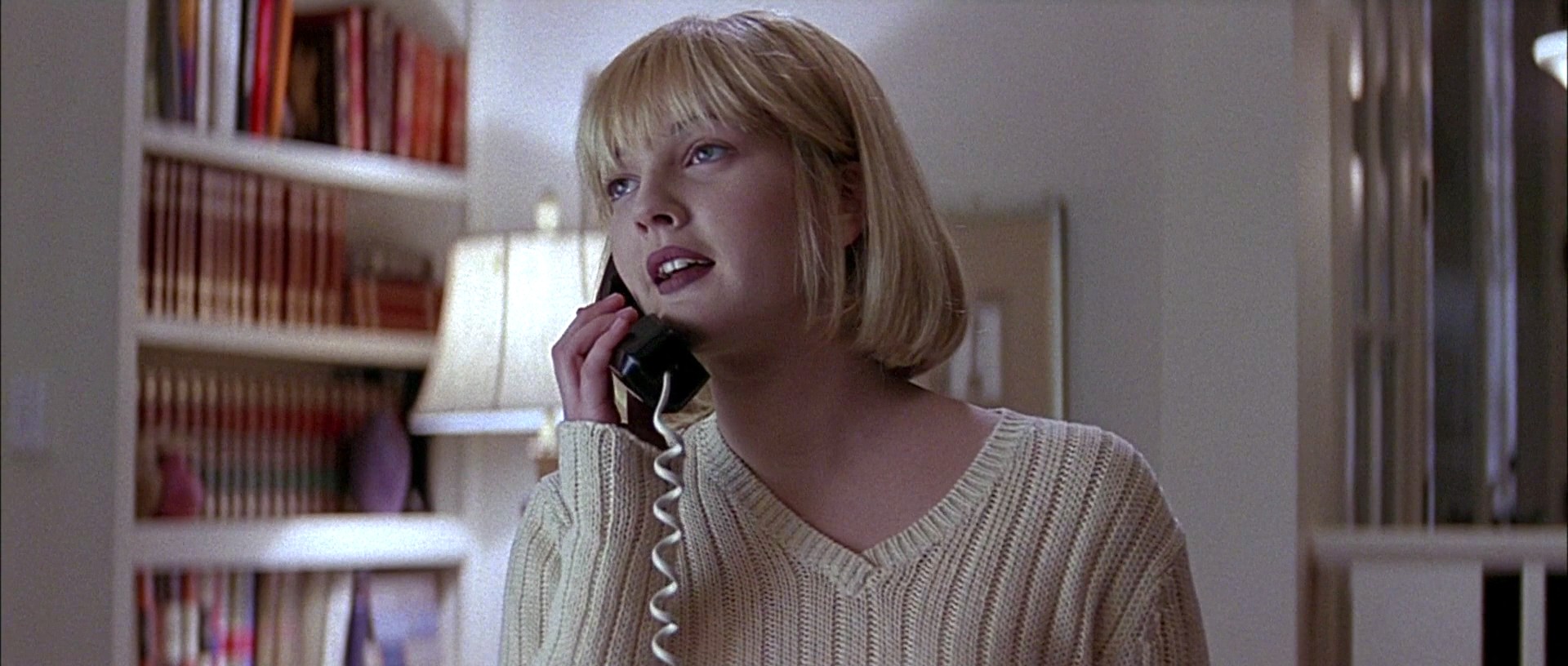
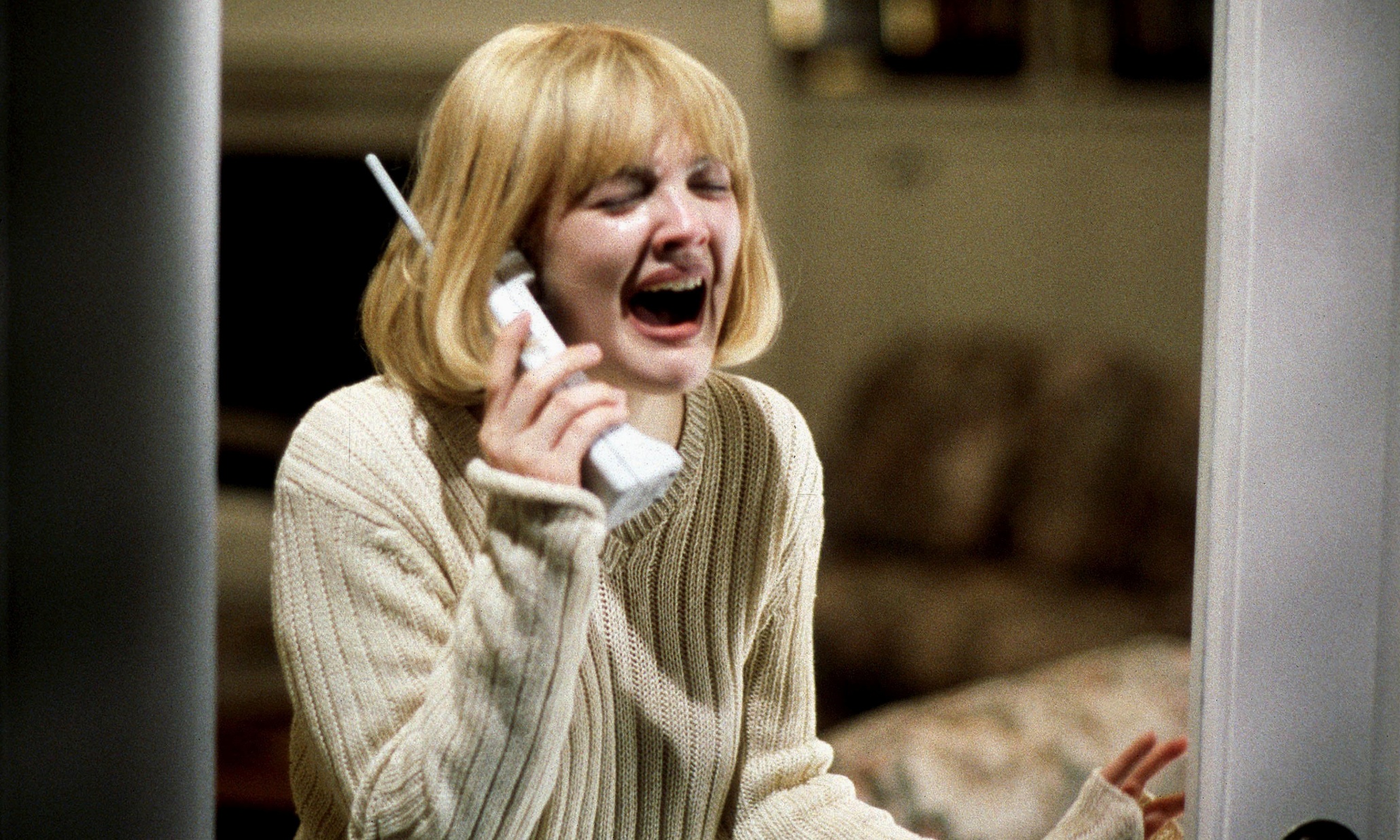
I will be analyzing how the opening scene of Scream 1 is conventional to thriller opening scenes by referring to micro-elements and audience response. The scene begins with the damsel in distress getting a phone call from a stranger. A medium shot is used to demonstrate that she is confident and isn’t expecting anything to happen but when a crane shot is used while she is communicating with the antagonist it indicated to the audience that something is going to occur involving her because it shows the audience its surrounding and almost warns them to expect something, and at this moment she is clueless. Moreover a tilt shot was used to show the audience that the place the scene was set was isolated and dark which spectates that there is no where she can run for help or escape which makes the audience feel uneasy. Also impacting on the audience’s emotions is the fact that the home is a conventional setting for thriller movies as they are usually set in isolated and dark areas as they are popular danger atmospheres considering it causes the audience to be more alert and ready to be shocked. The damsel in distresses house is distant from the main road which doesn’t contradict with the events happening as it is easier to get to someone and cause mischief if they are far from society and help. Her character represented as a conventional damsel in distress as she is blonde, beautiful and weak which is common within the character, which then makes her an easy target.

When Donnie gets a phone call for the second time it instigates that it wasn’t just a normal caller, so as she picks up the phone the camera is still panning around her still at a close up showing her comfort in her own home, but also to show the audience the background which raises the awareness of the audience to expect something to happen. Furthermore the low key lighting adds on to the suspense as it makes the audience feel restless because they are still expecting something major to happen but the antagonist is still playing games and interrogating the damsel in distress. Further down in the scene we see that she is engaging in a conversation with the antagonist which makes it seem like she’s willing to hold conversation. As she is talking about enjoying to watch scary movies by herself we see her playing with a knife in a wooded holder. This is sententious as she tells the antagonist that she likes the movie “with the guy in the white mask killing everyone with a knife.” The zoom in towards the iconography (knife) and the distressing off screen sound highlights that the antagonist could be planning on doing something involving the movie and the knife. We later on find out that this is ironic as antagonist turns out to be someone in a white mask killing everyone. Every time she gets a phone call her voice gets more and more distorted which emphasizes her emotions and fear. The lighting inside is all bright and white which is a juxtaposition as outside her house is dark, mysterious and lifeless which exposes her to danger as its almost the only innocent and pure thing in the whole scene which is why she is the main victim and exposed to danger.


There are a lot of diegetic and non-diegetic sounds used as they are both relevant and conventional for thriller movies because it is important to connect the audience to the film world. Non-diegetic sound is important as it connects with the audience unconsciously and has a massive impact on the audience, for example a slight humming sound in the background while she realizes the person on the phone knows her; causes tension and makes the audience apprehensive. Moreover diegetic sound like the popcorn popping created another dimension and accompanied the damsel in distress on the phone as the audience was waiting for that loud ‘POP!’ as she had forgotten she even put it on because her attention has been diverted as she is intimidated by the antagonist. A reaction shot is used when the victim is shown her boyfriend suffering outside accompanied with the cackling on the phone which clarifies that the person on the phone is responsible for what’s happening. This makes the audience feel insecure and nervous as they wonder why the person would do that although he says it’s because someone had stolen his bike, we later on realize that’s just an excuse for his psychotic behavior. Furthermore a close up shot of Donnie’s eyes are taken from the outside to show her tears to highlight her fear. A zoom shot is used while the victim is on her knees to show her instability due to her distress, this causes the audience to feel self-condemnatory as there’s nothing they can do to help. This is conventional to thriller movies because the audience always feels helpless as they can never comprehend with the situation.

Tuesday, 13 October 2015

Research: Mise en scene: lighting and colour - Mrs. Quinlan


Lighting helps to convey mood and atmosphere in a movie scene . It can be used to guide the audiences attention to a particular object, person, emotion or gesture. A high key and bright lighting usually indicates cheerfulness and happiness in a character, however, low key and gloomy lighting usually suggests a sinister characteristic and sets a dark and an uneasy setting.

Lighting Angles:


-Top Lighting highlights features and makes you look more glamorous, this is often used to glamorise models in photoshoots.


-Under lighting is under and makes you look scary and intimidating, this is usually used in thriller and horror movies, and is used for the antagonist; as again it makes them look horrifying.
The surrounding of the character is dark which creates fear and mystery, however here is enough under lighting to show his face which helps the audience see the characters facial expression.


-Back Lighting creates a silhouette usually to create fear or disgust, this is also often used to portray antagonists as it triggers hatred towards the character.

Lighting types:

The Sixth sense:
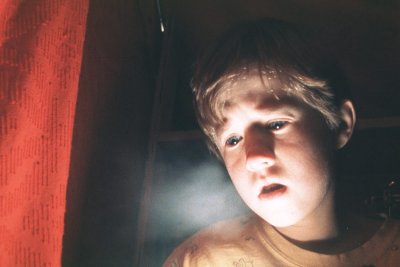
 - Low Key lighting is dark with small areas of light which creates shadows. Low key lighting is frequently used in psychological thrillers and crime thrillers.

                                                                   Ex Machina

- High key lighting appears more natural and realistic to our eyes. The lighting effect is heightened.
High key lighting is commonly used in action thrillers and sci-fi thrillers.


Use of colour:
As well as the use of lighting, the use of colour is also very significant for thriller movies, as each colour indicates a personality trait to the audience. It also signifies the characters position in the movie, i.e. a damsel in distress is obligated to wear light colours, mainly white.

Commonly used colours in movies:
Red:  Usually indicates anger, passion, rage, desire, excitement, energy, speed, strength, power, heat, love, aggression, danger, fire, blood, war, violence.
In this image taken from 'Head in the clouds' We see that red suggests love and passion as it is worn very neatly by the character. However in thriller movies, red may not always indicate passion and may in fact indicate aggression and blood.


White: shows protection, love, reverence, purity, simplicity, cleanliness, peace, humility, precision, innocence, youth, birth, winter, snow, good, sterility.
This character from 'Prom night' is a classic example of a damsel in distress. This is because the use of colour in her dress. Her dress is white which shows purity and innocence, however isn't clean white which indicates to the audience that the character isn't as good as seems. Moreover damsels are often blond as they seem more powerless and inferior towards the antagonist.


Black:  Sinister, power, sexuality, sophistication, formality, elegance, wealth, mystery, fear, anonymity, unhappiness, depth, style, evil, sadness, remorse, anger. Although the colour suggests elegance, in thrillers, it usually suggests mystery, evil, sinister, hatred, and all negative thoughts.
As shown in the image taken from 'Harry Potter', Voldemort is wearing all black which connotes his sinister personality which causes fear for the audience. This is because his facial expression contributes with his costume which shows the audience, the character has no good intentions in him and is all negative.

Filters:

The Ring

A blue filter is used in the above image. The colour blue in thrillers connotes danger and mystery. This gives the audience chills as it is only used in certain scenes. It also highlights the sinister theme in the scene.


Memento


The colour yellow often connotes confusion and uncertainty. The yellow filter matches the image as his facial expression compliments his confusion and bewilderment.

A red filter is used excessively in the opening scene of  'The Moon and The Gutter.' The moon is usually white which represents purity, however the filter makes it red which connotes danger, death and passion. Before watching the movie, the audience can infer that a major event has happened as the red filter isn't often used so excessively which makes it unusual.

Monday, 12 October 2015

Research: Mise en scene: body language and facial expressions - Mrs. Quinlan


Facial expressions are important in films because it tells the audience the emotional state the character is currently in whereas body language shows the viewers intentions or feelings with the use of physical behaviors. They are both important for the film world as it indicates what to expect from the scene. This allows the audience to read into the character which helps them make meaning out of the characteristics.

                                                           Shutter Island (2010)

In this image we see that her facial expression is quite distressed and we can see shes not in a good state as she looks afraid, worried and mentally disturbed. She also seems concerned for the other characters as she is signing 'shush.' This helps the audience speculate shes been through something frightening  and is almost warning the other character. We see that she is crouched which spectates her old age and that she isn't able to carry her self anymore due to the troubles she been through.


                                                        Blood Diamond (2007)

unlike the image before, in this image we see by his facial expression that he looks determined and obstinate as he is concentrated at the camera, the medium close up shot tells us that we need to concentrate on the facial expression. He's body posture is vigorous and sturdy which interprets that he is confident and is presented as a protagonist.


There is a common stereotype used against main characters:

 Antagonists are expected to look confident and firm as they are meant to spread threat towards society and the protagonist. Their facial expressions are usually deceiving and manipulative which makes the audience feel fear and discomfort.


Protagonist are also meant to look enduring and bold as everyone depends on them and the audience need to have faith in them to save and fix the disequilibrium. Their facial expressions are usually hidden as they are not allowed to show fear and naivety as the society and audience sill believes in them. However there can also be an anti-hero, who is able to cause trouble while fixing it. Audience see the good in them rather than bad, an example would be Batman.


                                                          Prom Night (2008)  
Damsel In Distresses however look fearful and apprehensive because the main aim of the antagonist and depend on the protagonist to save them. They are usually perceived as blonde and beautiful as they are a easy target.


Body Language:

 Prisoners

This character is taken from the movie Prisoners. We see that hes character challenges common conventions of antagonists as hes body language looks dependent, weak, and afraid. This may be because hes a red herring which is often used to put audiences off and confuse them of the real villain. Although his facial expression contributes to him looking scared and incapable of bad deed, hes body language stands out as he is slouching which shows he isn't ready to make sudden moves.

                                                                     The Visit
Once again the antagonists from 'The visit' obligate social norms due to their age and body language. Old people are perceived as sweet, loving and frail due to their body language and innocent facial expressions, however, despite their weak, defenseless and vulnerable body language, the grandparents are the antagonist and are able to harm others. In thrillers, old people and females are the first victims, however in this case, the character representation juxtaposes this as they are the ones causing danger and fear.


In this image the close up shot helps the audience identify the jokers facial expression. The sinister smirk he has on his face creates an uneasy feeling for the audience as it is usually associated with negative connotations which tells us there is a darker side to this character as his smile is not genuine but in fact, uncomforting.

Friday, 9 October 2015

Research: Mise en scene: costume, hair and make-up - Mrs. Quinlan

Costume helps the audience understand more about a character. It can guide the audience’s attention to particular personalities or traits. Costumes play a major role in movies as viewers can make assumptions about the virtue of characters and their background according to their cultural assumptions.

There are common conventions for costumes protagonists and antagonists wear which are very important to follow as the audience can infer who the antagonist and the protagonist is. For example antagonists are usually expected to wear suits that are fit on and light colored as it connotes innocence and naivety which are people who are prone to danger, whereas antagonists are expected to wear darker suits that are baggy as they convey mischief and danger.


These are what some colors signify:
Red: passion, love, blood, pain
Light colors: happiness, purity, vulnerable, innocence
Dark colors: sinister, danger, death, evil

                                                       
                                                           The Dark Knight (Joker)
Firstly in this image the close up shot helps the audience identify the jokers facial expression. The sinister smirk he has on his face creates an uneasy feeling for the audience as it is usually associated with negative connotations which tells us there is a darker side to this character as his smile is not genuine but in fact, uncomforting. Furthermore the identity of the jokers identity is hidden under the hair and make up which makes the reader question 'who is the joker.' The joker is wearing a suit which is an unconventional thing for an antagonist to wear as suits are associated with business men, but again in the movie we see that the joker sees his job as an important job, however, it is a scruffy, dirty and untidy suit which represents his persona and character representation. Although white signifies innocence, it is a dirty white and his makeup seems worn off  which creates a sense of danger;especially with the prison bars behind him. Also the the green waistcoat and red lipstick are no longer associated with happiness as the darkness in the colors just leave hatred and envy for the audience to see.


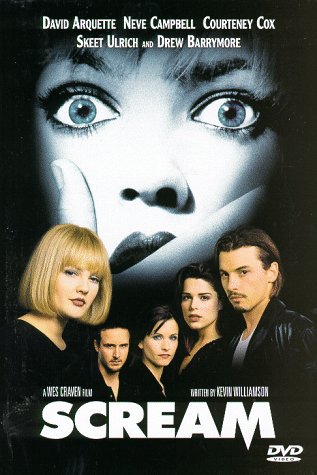
The damsel in distress from scream is a conventional damsel due to her costume, hair and make up. It is common for damsels to wear white as it represents purity, innocence and weakness. Moreover according to social norms, damsels are usually blonde and vulnerable which makes them a easy target which is why antagonists tend to target them first. Her makeup is subtle which shows her young age and inexperience.


The two characters on each side are protagonist. The use of costume helps the audience infer they have an important job involving authorities as they are wearing bullet proof vests. Also they are smartly dressed in fit on suits which shows how serious their job is and shows their pride in it. However, the character in the middle contrasts the two other characters as he is wearing a prison outfit which immediately shows hes dangerous and an antagonist as two people are having to escort him. Moreover there is nothing to be said about makeup as they are make characters, however we see that the character on the left has plasters on his face which show he has been in danger and survived.